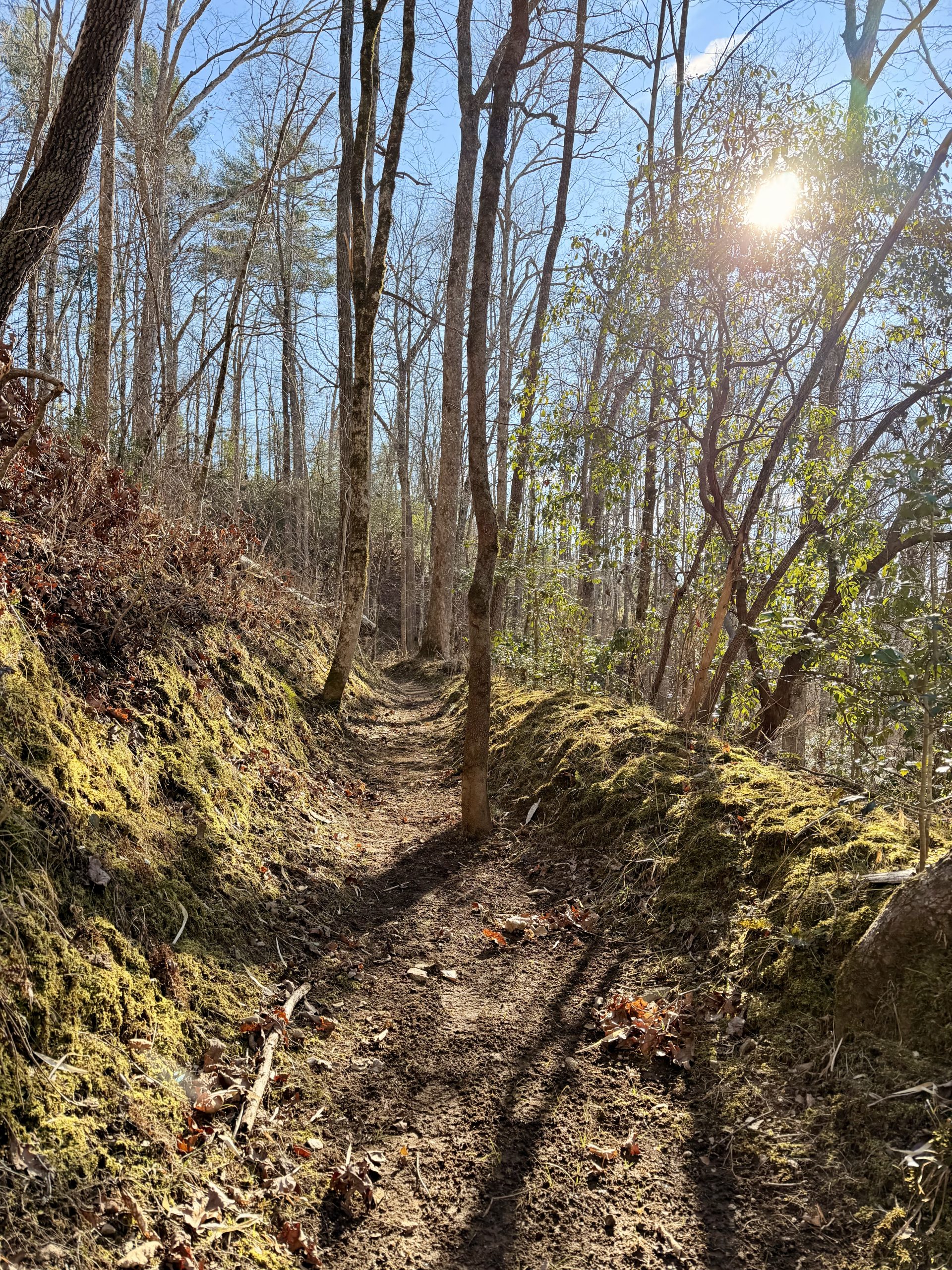
The winding ditches that crisscross our property at LoveAdventures aren’t just charming landscape features—they’re living artifacts of America’s first gold rush. These weathered channels, now softened by time and vegetation, once carried the dreams and fortunes of thousands who descended on Auraria, Georgia in the 1830s, when gold fever gripped these mountains nearly two decades before California’s famous rush.
When Auraria Glittered with Gold
In 1829, gold was discovered on Cherokee land in what is now Lumpkin County, transforming this corner of North Georgia overnight. By summer 1832, William Dean built the first cabin between the Chestatee and Etowah rivers, and Nathaniel Nuckolls established a tavern and hotel to serve the flood of miners. Within six months, Auraria boasted one hundred family dwellings, eighteen to twenty stores, and numerous law offices and taverns. The population swelled to over a thousand, and between 1829 and 1839, about $20,000,000 in gold was mined from Georgia’s Cherokee country.
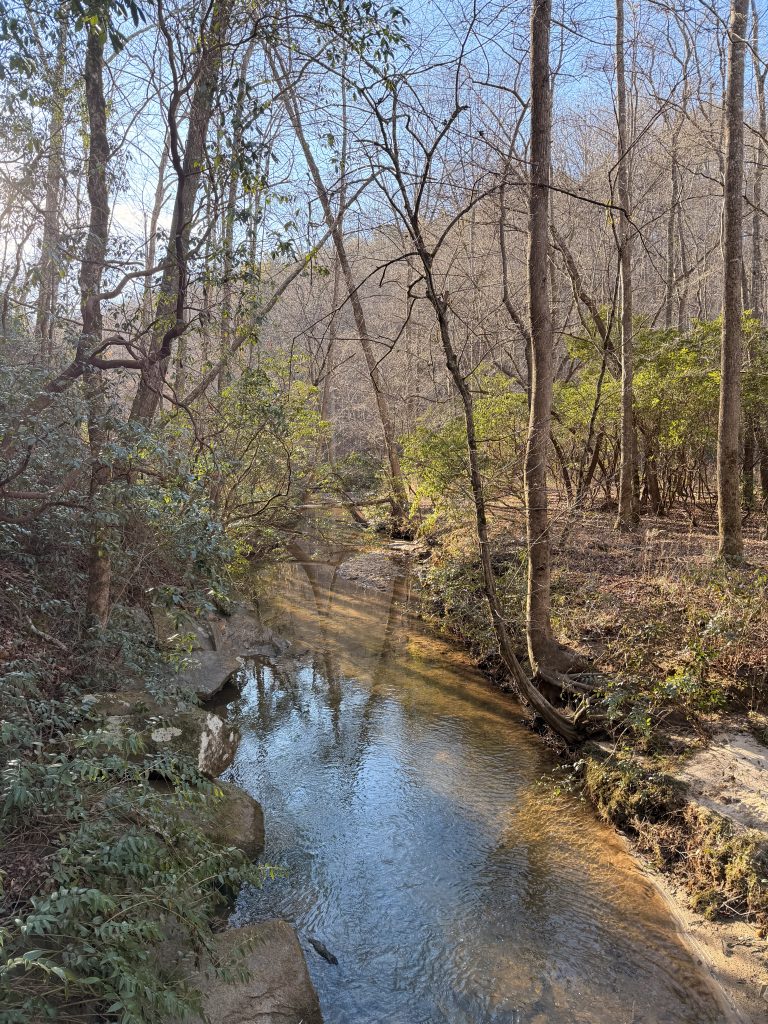
The town was wild and prosperous. Gamblers, lawyers, merchants, and fortune-seekers rubbed shoulders on Gold Diggers’ Road. Even former Vice President John C. Calhoun, who owned a nearby mine, stayed regularly in Auraria to oversee his operations—hence the name of the large creek that runs through our property: Calhoun Creek.
But like all gold rush towns, Auraria’s glory was fleeting. When Lumpkin County chose Dahlonega as the county seat in 1833, businesses fled. The final blow came in 1849 with the California Gold Rush—Auraria’s population plummeted from over four thousand to less than three hundred virtually overnight. Many Georgia miners headed west, and ironically, three brothers from Auraria founded another town called Auraria in Colorado in 1858, which later became part of Denver.
Water Under Pressure: The Birth of Hydraulic Mining
Early settlers chose the area between the Chestatee and Etowah Rivers specifically because it was perfect for placer mining, which required enormous quantities of water to wash dirt and sand. While initial mining used only pans and simple sluices, the quest for gold grew more sophisticated.
During the 1850s, hydraulic mining was introduced to Georgia from California—an ironic technology feedback from the new western gold field to the older eastern area. This revolutionary technique transformed the landscape in ways still visible today on our property.
How it worked
Hydraulic mining employed water under great pressure to wash away earth and run gold-bearing gravels through elaborate sluice systems. Mining companies built extensive networks of ditches and canals that captured water from mountain streams at higher elevations. The main ditches were typically eight to fifteen feet wide at the top, four to six feet wide at the bottom, and three or more feet deep.
Water flowed through these ditches and was channeled into iron pipes, using gravity to build tremendous pressure. It then issued in a continuous stream with great force from a large hose-pipe, directed against the base of banks of earth and gravel, tearing them away. These water cannons, called “monitors” or “giants,” could literally blast apart hillsides. The loosened gold-bearing material was washed through long sluice boxes where the heavier gold settled to the bottom.
The Legacy in Our Landscape
Today, the ditches on our property stand as monuments to this dramatic era. These channels, once roaring with pressurized water aimed at extracting gold from the earth, have been reclaimed by nature. Where water cannons once blasted hillsides, ferns now grow. Where miners once toiled, hikers now wander.
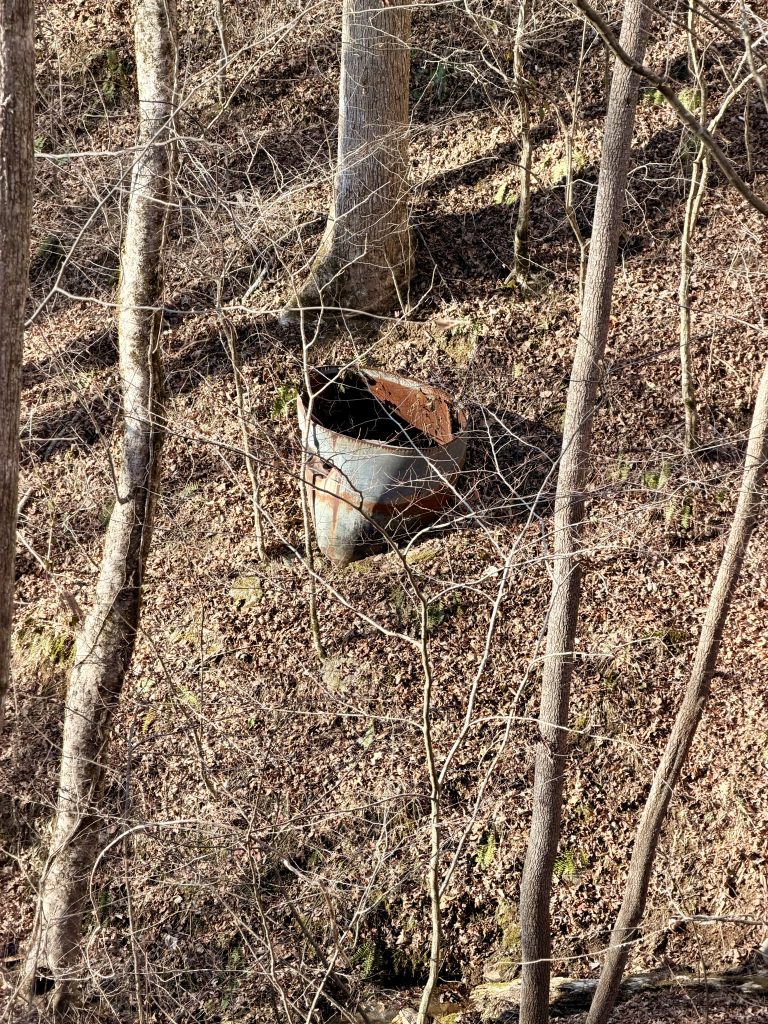
The ditches you’ll discover on our trails are remnants of this vast system—engineering marvels of their time that brought water from higher elevations to mining operations below. When you stay at our landscape hideaways walk our trails, you’re literally following in the footsteps of the Twenty-Niners. Fun fact: you’ll even run across remnants of a old bootlegging still!
From Gold to Green: A New Kind of Treasure
The same features that made this area perfect for gold mining—abundant water, varied topography, and dramatic elevation changes—now make it an ideal setting for adventure and romance. The ditches that once served industry now offer quiet pathways for contemplation and exploration.
When you stay at LoveAdventures, you’re stepping into a landscape shaped by one of America’s most dramatic chapters. Every trail, every hidden corner, every water-worn channel carries echoes of the thousands who came here chasing dreams of gold. The fortune they sought in the earth, we’ve found in the experience: the treasure of escaping into nature, discovering history hidden in plain sight, and creating memories in a place where the past and present flow together as naturally as water through these ancient ditches.
Come discover your own gold in these mountains—not in nuggets pulled from streams, but in moments of peace, connection, and wonder as you explore the landscapes shaped by Georgia’s golden age.
Let’s Stay Connected
Subscribe to our mailing list for the latest specials, news and updates from LoveAdventures.